

Your People Deserve More Than a Check-the-Box Training. And Deep Down, You Already Know That.

Who We Are and Why This Is Different
Badges & Breakthroughs, LLC offers evidence-based, peer-led training and consulting designed specifically for public safety agencies, first responder organizations, and their families. All programming is rooted in lived experience, current research, and a deep understanding of law enforcement, fire, EMS, corrections, dispatch, and emergency services culture.
We lived it. We studied it. We are still in it.
We are not a big box training company recycling the same PowerPoint for every department in America. We are first responders, veterans, and clinical mental health professionals who have stood where your people stand. We have worked under great leaders and bad ones. We have sat through the snooze-fest in-service trainings that promise to fix everything but really just check a box for command staff and put a band-aid over a bullet hole.
We despise those trainings. So we built something different.
What You Get With Us
Every program we deliver is custom-built for your agency — your culture, your size, your people, and your pain points. Nothing is copy-and-paste. Nothing is generic. Here is what that looks like:
Custom-designed training built specifically for your department's culture, size, schedule, shift patterns, and operational needs — not a recycled curriculum from someone who has never worn the uniform.
In-house peer support program development and implementation — from policy and protocol to confidential, effective peer support that your people will actually trust and use.
Leadership and supervisor training on recognizing stress, moral injury, cumulative trauma, and early warning signs before they become crises, complaints, or headlines.
Trauma-informed response, critical incident support, and after-action mental health debriefing — because what happens after the call matters just as much as the call itself.
Policy and protocol guidance for building or strengthening confidential, legally sound peer support programs that stand up to scrutiny and earn trust from the ground up.
Why We Charge What We Charge
Let us be honest with you — our training is not the cheapest option out there. Here is why.
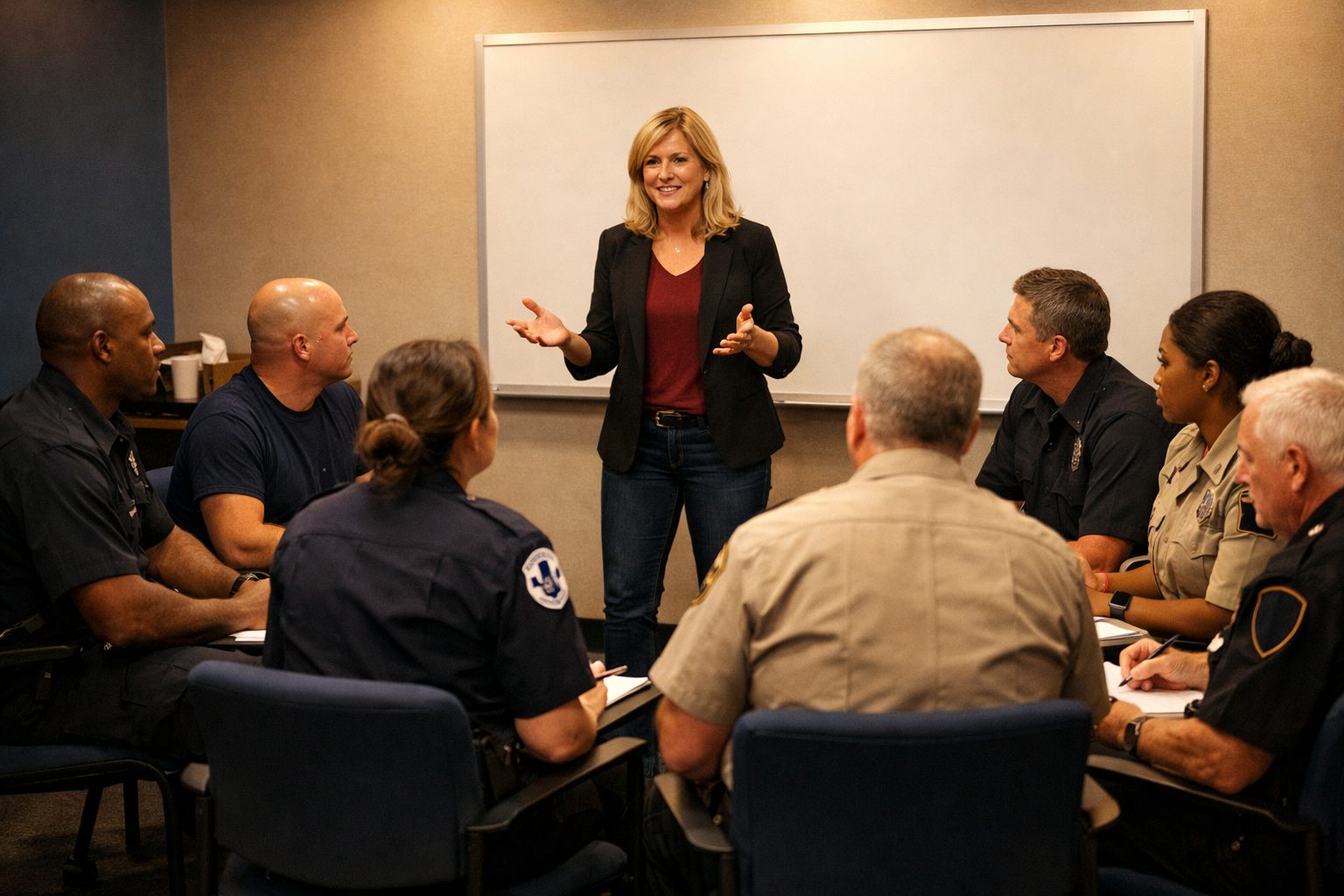
None of our programs are the same. Each one is curated specifically for you. We get to know you, your people, your agency. We listen closely — not just to the training request, but to the things going on around it that made you, as a leader, come to the realization that you needed this in the first place. We hear and see issues you may not even know you have and help you address them before they rise to the surface.
We are not miracle workers. But we put our hearts and souls into this work because we have been there — as boots on the ground, as white shirts, surviving under leadership that did not care, and thriving under leadership that did. We have carried the horror stories. We have lived the days of just trying to survive and make it to the next shift.
We charge what we charge because we know what we bring to the table, and we know what it is worth. But more importantly, we charge what we charge because when you buy a training, you are not buying a product — you are beginning a relationship with people who will not abandon you, no matter how grim it looks.
A Word to the Leader Reading This
We all need a little help every once in a while. That is not weakness — it is wisdom. And the fact that you are still reading this page tells us something about the kind of leader you are.
You did not end up here by accident. Something in your agency, something in your gut, something you have seen or lost brought you here. We are not going to waste your time telling you why you should care about your people — you already do. That is why you are here.
Let us show you why this investment is not something your agency can afford to pass on — and why investing in your people pays off far more than any cheap, check-the-box training no one even wants to attend.
Schedule a consultation. Let us sit down, listen to what is going on, and show you what we can do. No pressure. Just a conversation between people who care about the same thing you do — making sure your people make it home, not just physically, but mentally and emotionally, too.
One conversation. One agency. One life at a time.
Transform the way you take care of your people — with training and consulting built by those who have worn the badge, carried the weight, and lived to tell about it.
From leadership to the line, we bring real-world first responder insight, trauma-informed strategies, and practical tools that actually work — in the field, in the station, and at home. When you invest in this work, you are not checking a box. You are reducing burnout, liability, and turnover. You are strengthening recruitment and retention. You are protecting the people and the culture your entire community depends on.
This is not about us selling you something. If you are on this page, something has already told you it was time. Trust that feeling.
The Crisis Is Real. The Cost of Doing Nothing Is Higher.
You already see it — the early retirements, the rising sick leave, the officers who stopped caring or started self-medicating, the ones who quietly walked away, and the ones who did not make it at all. The numbers confirm what you already feel in your gut:
54% — Law enforcement officers face a 54% higher risk of dying by suicide than the general population.
$189,000+ — The cost to replace just one officer lost to untreated trauma and burnout.
37.4% of first responders have considered quitting due to stress or burnout.
80% of officers report chronic stress affecting their health and performance.
47% — Police resignations increased 47% between 2019 and 2022.
1 in 4 officers will experience PTSD, anxiety, or depression during their career.
46.7% of first responders report working while sick or injured to hide their mental health struggles.
If just 10 officers leave early due to untreated trauma, your agency is looking at over $1.89 million in replacement costs alone — and that does not account for the lawsuits, the community trust you lost, or the person whose life could have been saved.
The upfront cost of training is a fraction of a single lawsuit, one early retirement, or one officer lost to suicide. When you choose not to invest in your people's mental health, the bill still comes. It just comes in the worst possible way.
Sources: Benchmark Analytics (2025), Police1 (2024), SAMHSA, SpeakWrite (2025), Health Psychology Research (2024)
How Our Pricing Works — And Why It Is the Way It Is
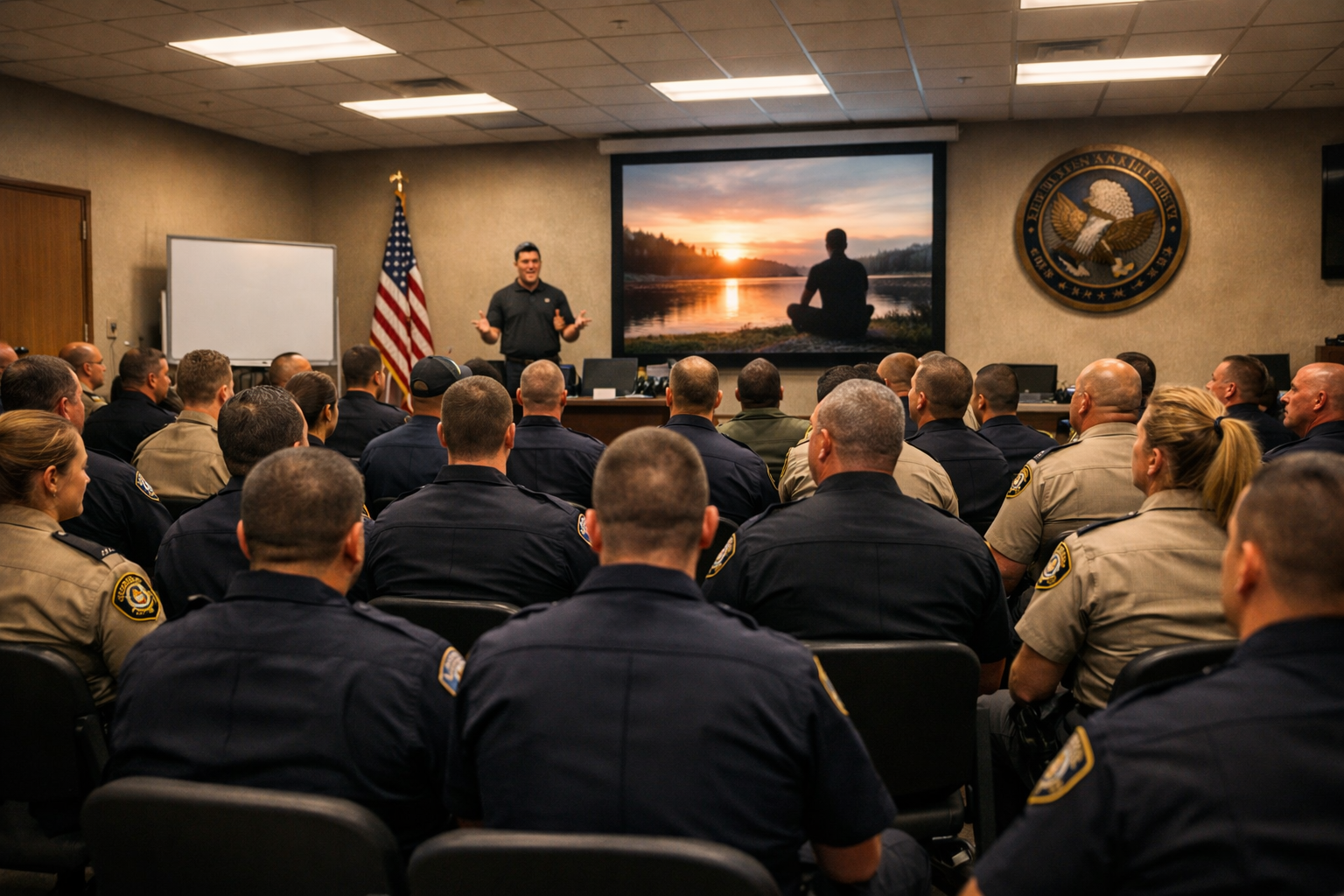
We charge by the class, not by the head. Whether you have 5 people in the room or 500, the cost is the same. You provide the training space and the people. We handle the rest. Everyone who completes the training satisfactorily receives a training completion certification.
All training is delivered in-person only. No virtual. No hybrid. We believe this work requires presence — eye contact, body language, and the kind of trust that only builds when people are in the same room. All programming is customized to fit your agency's schedule, shift patterns, and operational needs. Travel expenses (airfare, lodging, ground transportation, meals) are billed separately at cost.
We Know What You Are Thinking
"Sounds too good to be true."
We hear that a lot. We promise it is real, with no hidden costs. We will provide references upon request.
And it gets better.
We let you keep everything we create for you. Every PowerPoint, every handout, every manual, every set of notes — it is yours. No licensing fees. No extra costs. No strings. Why? Because we mean it when we say we are doing this to save lives. We want your agency to keep passing the torch long after we leave the room.
Our hope is that you will continue to build the relationship with us and let us grow alongside your agency. But if that is not in the cards, we will pour everything we have into the time we do have with your people and make the biggest impact we can while we have their attention.
And for the next year after training, we are still here. Questions, concerns, issues that arise — pick up the phone. We will walk you through it. We do not disappear after the invoice clears.
See It for Yourself Before You Spend a Dime
Still not sure? We get it. Trust has to be earned.
Our business started as a peer support network in September 2025. Solely through word of mouth, it has grown into something far bigger than we ever imagined. We did not get here through advertising. We got here because the work speaks for itself.
We invite you to come and witness it firsthand. Our peer support group meets virtually every Thursday evening — real first responders, real conversations, real support. Ask us for the link and see it with your own eyes. No pitch. No obligation. Just proof that this works.

Our Training & Consulting Menu
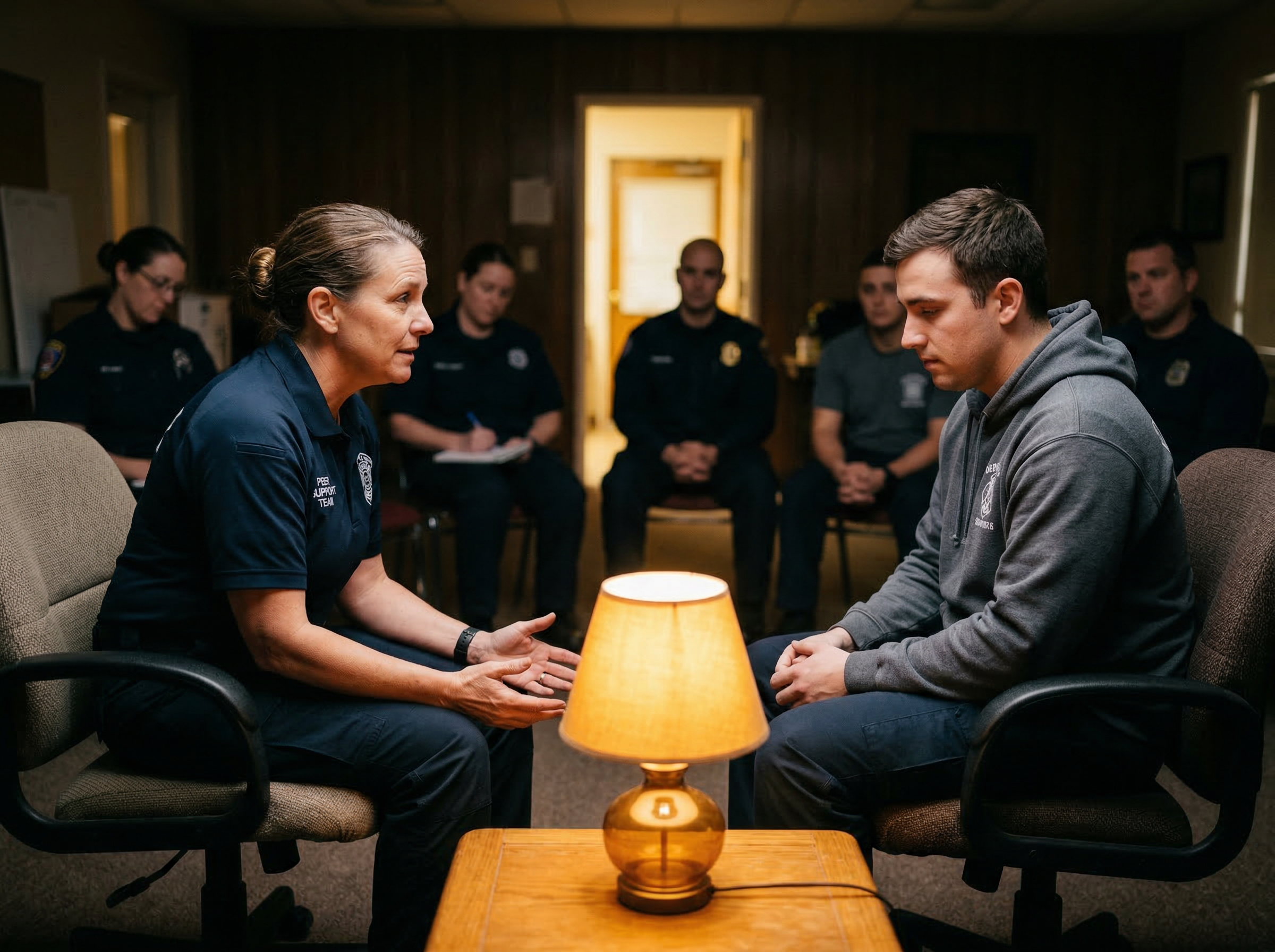
Focus: Agency-wide culture change, stigma reduction, and systems that actually support mental health.
Core Modules:
• The Psychology of the Job: Cumulative trauma, operational vs. organizational stress, moral injury, and hypervigilance
• The Hidden Cost of the Call: Suicide, PTSD, depression, anxiety, and substance use among first responders
• Stress, Sleep, and the Nervous System: Hyperarousal, shift work, sleep deprivation, and evidence-based regulation tools
• Stigma, Shame, and “Taking a Knee”: Barriers to help-seeking, culture of silence, and changing the narrative
• Families and the Job: Secondary trauma, communication breakdowns, and protective strategies for partners and kids
• Working with EAP and Clinicians: Cultural competence, confidentiality concerns, and how to vet and partner with providers
• Resource Mapping: Building a layered resource network (EAP, internal support, external peer support, vetted clinicians)
• Policy & Practice Integration: SOPs, benefits, and wellness policies that support—not punish—help-seeking
• Program Evaluation & Sustainability: Metrics, feedback, and continuous improvement for wellness initiatives
Deliverables:
• Agency-specific wellness roadmap
• Recommended policy language for mental health, peer support, and critical incident response
• Implementation coaching (quarterly for 6 months, in-person or phone)
Investment: $8,000 per 40-hour package
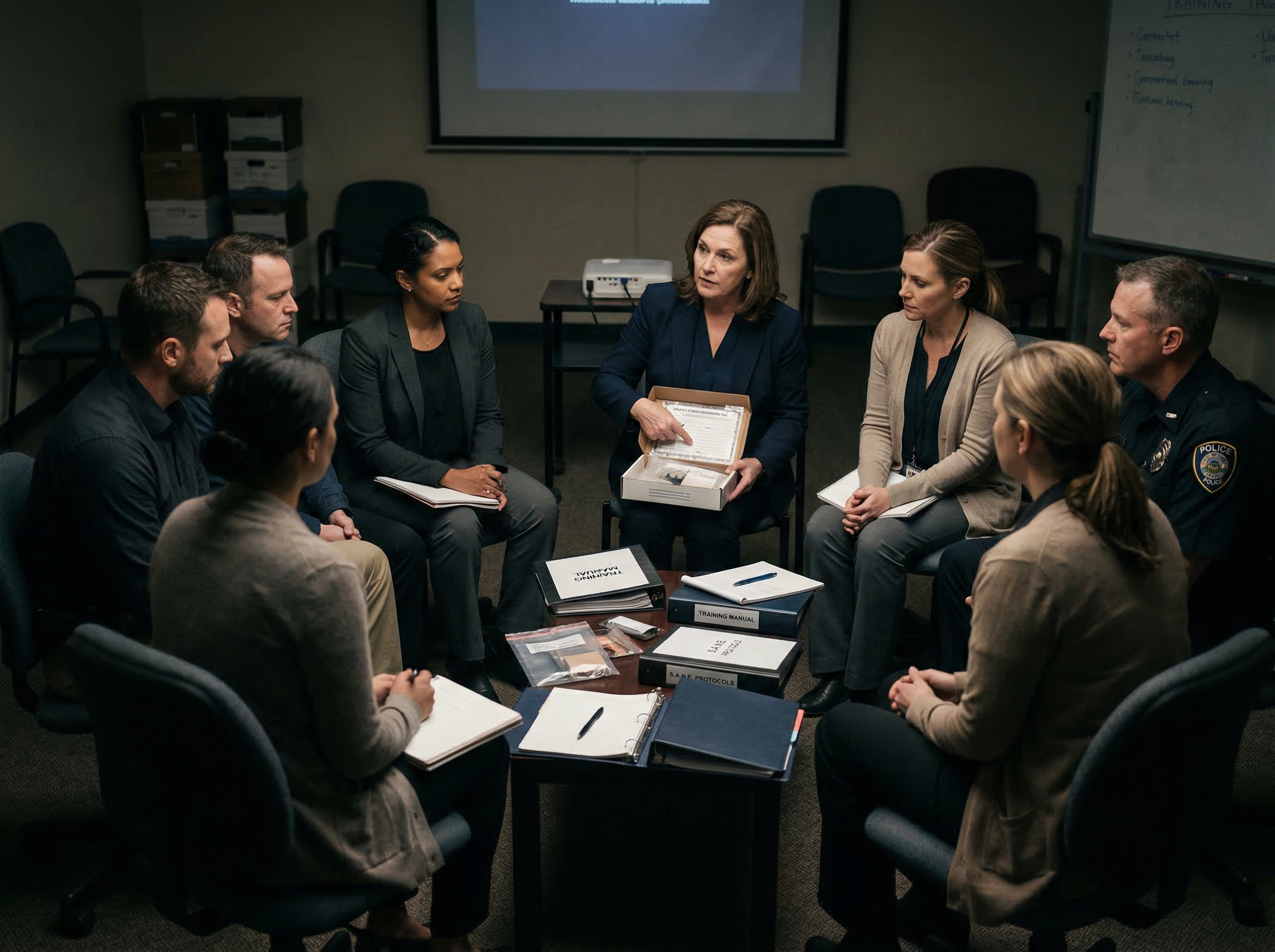
Focus: Building and launching an effective in-house peer support team that exceeds the standards of both the International Association of Chiefs of Police (IACP) and the International Association of Fire Fighters (IAFF).
This comprehensive, in-person training equips selected members with peer counseling skills, crisis intervention techniques, and clear boundaries to provide early, non-clinical support. The Badges & Breakthroughs, LLC Peer Support Training Program far exceeds and surpasses both IACP and IAFF minimum requirements and is built to the highest standards for first responders, backed by current research on first responder psychology and evidence-based material.
IACP and IAFF Standards Alignment:
This program is NOT an International Association of Fire Fighters (IAFF) approved peer support program (which is 16 hours in length), nor is it limited to the IACP peer support guidelines. However, the Badges & Breakthroughs, LLC training program incorporates all core topics from both the IAFF and IACP Peer Support Training curricula, including:
• How to approach a member of concern and establish trust
• Establishing and maintaining confidentiality
• Providing emotional support and active listening
• Determining whether a crisis is developing
• Referring to available resources (EAP, clinical providers, chaplains)
• Educating others about behavioral health and resilience
• Understanding scope of practice and ethical boundaries
• Post-critical incident peer support protocols
The program exceeds IAFF and IACP minimum requirements with 40 hours of training (vs. IAFF’s 16 hours) and includes extensive scenario practice, realistic role-plays, agency-specific policy development, and continued post-training support.
Core Curriculum (13 Modules):
• Module 1 — Peer Support Overview, Structure, and Key Considerations: Purpose, scope of practice, boundaries, role limits, and program activation
• Module 2 — Normalizing Common Mental Health Challenges: Stress injuries, depression, anxiety, PTSD, sleep issues, and relationship strain
• Module 3 — Stress and Trauma: Operational stress, critical incident stress, cumulative trauma, and vicarious trauma; recognizing early warning signs
• Module 4 — Peer Counseling Techniques: Active listening, open-ended questions, reflective responses, validation, and scenario-based practice
• Module 5 — Moral Distress and Moral Injury: Understanding how moral conflict shows up in first responders and how to support peers
• Module 6 — Suicide Prevention, Intervention, and Postvention: Recognizing risk factors, asking directly, immediate response steps, and post-incident support
• Module 7 — Substance Misuse and Addictions: Recognizing problematic alcohol and substance use, having difficult conversations, and referral pathways
• Module 8 — Managing Anger, Frustration, and Annoyance: Understanding chronic stress manifestations and helping peers with conflict and irritability
• Module 9 — Family and Support System Considerations: Impact on families, partners, and children; when and how to involve support systems
• Module 10 — Supporting Peers Through Grief and Loss: Line-of-duty deaths, medical retirements, and presence-based support
• Module 11 — Supporting Military and Veteran Personnel: Cultural considerations and coordination with veteran-specific resources
• Module 12 — Peer Supporter Self-Care and Wellness: Recognizing secondary trauma, maintaining boundaries, and team-level sustainability
• Module 13 — Liability, Ethics, and Documentation: Confidentiality limits, mandatory reporting, legal considerations, and documentation practices
Deliverables:
• Trained Peer Support Team with certificates of completion
• Peer Support Team handbook (roles, procedures, call-out criteria)
• Sample SOPs and consent/confidentiality language
• Referral pathway framework with vetted local and national resources
• Quick-reference guides, conversation scripts, and checklists
• Six months of ongoing consultation (monthly or quarterly, phone or in-person)
Investment: $10,000 per 40-hour package

Focus: Building, developing, and sustaining an effective multi-disciplinary Sexual Assault Response Team from the ground up.
This comprehensive, in-person program provides the full framework for establishing or strengthening a multi-disciplinary SART, including team structure, roles, coordination protocols, trauma-informed response, forensic interview integration, and responder wellness. This program goes far beyond introductory SART overviews and delivers a complete, operationally ready SART team.
Core Curriculum:
• SART Foundations and Multi-Disciplinary Team Structure: Roles of law enforcement, prosecution, victim advocacy, forensic nursing (SANE/SAFE), and medical providers; team coordination and communication protocols
• Neurobiology of Trauma and Victim-Centered Response: Understanding how trauma affects memory, disclosure, and behavior; applying trauma-informed principles to every stage of response
• Trauma-Informed Victim Interviewing for SART Members: Forensic Experiential Trauma Interview (FETI) techniques, narrative-based approaches, and avoiding re-traumatization
• Sexual Assault Investigation Best Practices: Evidence collection coordination, chain of custody, documentation standards, and investigative timelines
• Working with Diverse and Vulnerable Populations: Cultural competency, LGBTQ+ considerations, individuals with disabilities, male victims, and underserved communities
• Case Review, Coordination, and Quality Assurance: Multi-agency case staffing, tracking outcomes, identifying gaps, and continuous improvement
• Prosecution Coordination and Court Preparation: Building prosecutable cases, witness preparation, and expert testimony coordination
• SART Program Policy and MOU Development: Drafting memoranda of understanding, inter-agency agreements, activation protocols, and confidentiality policies
• Vicarious Trauma and Responder Wellness for SART Teams: Secondary traumatic stress, compassion fatigue, and self-care strategies specific to sexual assault responders
• Scenario-Based SART Exercises: Full team simulations including mock cases, coordinated responses, and after-action reviews
Deliverables:
• Fully trained SART with certificates of completion
• SART program handbook (team roles, activation protocols, case review procedures)
• Template MOUs and inter-agency agreements
• SART policy and procedure recommendations
• Referral pathway framework for victim services and advocacy
• Six months of ongoing consultation for SART implementation and case review support
Investment: $10,000 per 40-hour package

Focus: Comprehensive understanding of polygraph science, application, legal considerations, and practical use in law enforcement and public safety settings.
This training provides public safety professionals with a thorough understanding of polygraph science, examination procedures, legal frameworks, and practical applications. This program is designed for investigators, internal affairs personnel, hiring managers, and leadership who interact with or rely on polygraph results in their operations. This is a knowledge and application program, not a polygraph examiner certification course.
Core Curriculum:
• History and Science of Polygraph: Origins, physiological basis, and evolution of polygraph technology
• How Polygraph Examinations Work: Instrumentation, measurement channels (cardiovascular, electrodermal, respiratory), and examination phases
• Polygraph Examination Techniques: Comparison Question Test (CQT), Relevant/Irrelevant (R/I), Concealed Information Test (CIT), and directed lie techniques
• Pre-Employment and Pre-Screening Polygraph: Application in hiring, background investigations, and security clearances
• Criminal Investigation Polygraph: Using polygraph as an investigative tool, confession facilitation, and case advancement
• Internal Affairs and Administrative Polygraph: Application in misconduct investigations, policy violations, and integrity testing
• Legal Framework and Admissibility: Federal and state laws, Employee Polygraph Protection Act (EPPA), case law, union considerations, and Daubert standards
• Interpreting Polygraph Results: Understanding charts, quality assurance, inconclusive results, and limitations of polygraph testing
• Countermeasures and Deception Detection: Recognizing attempted countermeasures and supplementary behavioral indicators
• Ethical Considerations: Examiner ethics, examinee rights, informed consent, and avoiding coercion
• Integrating Polygraph into Investigations: Coordinating polygraph results with interview and interrogation strategies, case management, and prosecutorial coordination
Deliverables:
• Certificate of Completion in Polygraph Awareness and Application
• Reference manual covering polygraph science, techniques, and legal frameworks
• Sample policies for polygraph use in pre-employment, criminal investigation, and internal affairs
• Case study examples and discussion materials
Investment: $8,000 per 40-hour package
Target Audience: Instructors, training officers, wellness coordinators, peer support program leaders
Program Description:
This intensive certification program trains instructors to deliver peer support training within their own agencies, regions, or training academies. Participants learn not only peer support content but also instructional methods, scenario facilitation, and program management. All instruction is delivered in-person.
Core Curriculum:
• Peer Support Foundations: Research, ethics, scope of practice, and confidentiality
• Instructional Design for Peer Support Training: Adult learning principles and scenario-based teaching
• Teaching Peer Counseling Skills: How to train active listening, empathy, and appropriate boundaries
• Suicide Prevention Training Delivery: Teaching others to recognize risk and intervene safely
• Critical Incident Support Training: Preparing instructors to teach post-incident peer response
• Facilitating Difficult Conversations: Role-play instruction and feedback techniques
• Program Implementation & Supervision: Supporting peer teams, documentation, and quality assurance
• Train-the-Trainer Practice Sessions: Supervised delivery of training modules with feedback
Certification Requirements:
• Complete 40 hours of in-person training
• Deliver practice training modules with passing evaluation
• Demonstrate competency in peer support skills and instructional delivery
• Submit implementation plan for training rollout in home agency
Deliverables:
• Instructor Certification in Peer Support Facilitation
• Complete training curriculum with PowerPoint slides, handouts, and facilitator guides
• Scenario bank and role-play scripts
• Program management toolkit (policies, forms, evaluation tools)
• Six months of consultation support for certified instructors
Investment: $12,000 per cohort (up to 15 instructors)
Target Audience: Training officers, wellness coordinators, FTOs, academy instructors
Program Description:
This certification prepares instructors to deliver wellness and resilience training to first responders across disciplines. Covers mental health education, stress management, and building resilient teams. All instruction is delivered in-person.
Core Curriculum:
• Foundations of First Responder Mental Health: PTSD, burnout, moral injury, substance use
• Teaching Stress Management & Resilience Tools: Practical techniques for trainees
• Delivering Stigma-Reduction Training: Changing culture through education
• Family Impact & Work-Life Integration: Training responders to protect home relationships
• Instructional Strategies for Wellness Content: Engaging reluctant learners and overcoming resistance
• Practice Teaching & Feedback: Supervised delivery of wellness training modules
Deliverables:
• Instructor Certification in First Responder Wellness Training
• Wellness training curriculum (slides, handouts, reference materials)
• Resource library for trainees (self-assessment tools, technique guides)
• Three months of instructor consultation support
Investment: $8,000 per cohort (up to 20 instructors)

Law Enforcement-Focused Menu
Instructor: Dylan Bates, MS-THSP, MS-CMHC | Melanie Brower, MS-CMHC
• The Law Enforcement Nervous System: Hypervigilance, threat scanning, and never feeling “off duty”
• The Invisible Wounds of Policing: PTSD, depression, anxiety, and substance use in officers
• Officer-Involved Shootings & In-Custody Deaths: Psychological impact and structured support
• Investigations & Secondary Trauma: Sexual assault, crimes against children, homicide, and fraud/federal investigations
• Interview and Interrogation: Trauma-Informed, Ethical, and Legally Sound Practices
• IA, Complaints, and Litigation Stress: Mental health impact and support strategies
• Federal & Specialized Units: Stressors of high-stakes protective operations and complex jurisdictional work
• Negotiator & Tactical Team Resilience: Selection, support, and debriefing for high-risk units
• Building and Leading a Culture of Peer Support in Law Enforcement
• Transition, Medical Retirement, and Post-Career Identity for Officers
Pricing: Same as À La Carte rates (60–90 min / half-day / full-day)

Instructor: Dylan Bates, MS-THSP, MS-CMHC
• Fire/EMS Mental Health 101: The crisis, statistics, and what it means for your crews
• Station Culture, Shift Work, and Sleep Deprivation: Protecting mental health in the firehouse
• Pediatric Calls, Gruesome Trauma, and Compassion Fatigue
• Cumulative Loss and Frequent Death Exposure in Fire/EMS
• Volunteer–Career–Combination Culture: Bridging generations, roles, and expectations
• Managing Anger, Frustration, and Conflict in the Firehouse or Rig
• Hypervigilance, Health, and Long-Term Impact for Fire/EMS
• Retirement and Medical Retirement in Fire/EMS: Identity, isolation, and suicide risk
• Fire/EMS-Specific Peer Support: Building teams and integrating with county resources
• Family-Centered Programming for Fire/EMS: Spouse, partner, and child-focused education
Pricing: Same as À La Carte rates (60–90 min / half-day / full-day)

Instructor: Melanie Brower, MS-CMHC (Former Correctional Officer, Charles County Detention Center)
Specialized training addressing the unique mental health challenges facing correctional officers, jail staff, and detention center personnel.
• The Correctional Officer Mental Health Crisis: PTSD rates of 53%, depression, and elevated suicide risk
• Cumulative Institutional Trauma: Chronic exposure to violence, manipulation, and moral complexity
• Hypervigilance in Confined Spaces: Managing constant threat assessment in close quarters
• Vicarious Trauma and Working with Challenging Populations: Managing sympathy, boundaries, and burnout
• Post-Incident Response for Correctional Officers: Assaults, riots, deaths in custody, and use of force
• Managing Officer Stress in Understaffed Facilities: Mandatory overtime, shift disruptions, and safety concerns
• The Culture of Silence in Corrections: Breaking stigma and normalizing help-seeking
• Building Peer Support Programs in Jails and Prisons: Structure, confidentiality, and trust-building
• Transition Out of Corrections: Medical retirement, career change, and maintaining identity
• Correctional Leadership and Trauma-Informed Supervision: Supporting officers while maintaining security
• Family Impact of Correctional Work: Communication, hypervigilance at home, and relationship strain
Pricing: Same as À La Carte rates (60–90 min / half-day / full-day)

Instructor: Dylan Bates, MS-THSP, MS-CMHC | Melanie Brower, MS-CMHC
Specialized training for 911 dispatchers, call takers, and communications center personnel who experience unique vicarious trauma and operational stress.
• The Invisible First Responders: Understanding dispatcher mental health and vicarious trauma
• Auditory Trauma: The impact of hearing death, violence, and desperation without visual context
• Helplessness and Hypervigilance: Managing lack of closure and constant crisis activation
• Multi-Tasking Under Pressure: Stress of simultaneous calls, radio traffic, and decision-making
• Second-Guessing and Self-Blame: Processing difficult calls and perceived mistakes
• Isolation in the Communications Center: Physical separation from field units and limited peer connection
• Shift Work and Sleep for Dispatchers: Managing irregular schedules and alert fatigue
• Building Peer Support for Communications Personnel: Creating safe spaces for dispatchers
• Critical Incident Stress for Dispatchers: Line-of-duty deaths, officer down, mass casualties, child deaths
• Retirement and Transition for Dispatchers: Loss of purpose, identity, and connection to public safety
• Leadership Support for Communications Centers: Trauma-informed supervision and wellness initiatives
Pricing: Same as À La Carte rates (60–90 min / half-day / full-day)

Instructor: Dylan Bates, MS-THSP, MS-CMHC | Melanie Brower, MS-CMHC
• Identity Beyond the Job: Who Am I Now?
• Medically Retired and “Early Exit” Responders: Grief, anger, and rebuilding
• Reserve & Volunteer Stressors: Doing the job with fewer supports
• Financial, Legal, and Benefit Stress During Transition (psychoeducation-focused)
• Long-Term Impact of Trauma and Chronic Pain
• Peer-Led Transition Groups and Alumni Networks

These can be combined into the 40-hour Leadership Track (Package 4) or booked individually. All sessions delivered in-person only by Dylan Bates and/or Melanie Brower.
• Trauma-Informed Supervision in Public Safety
• The Supervisor’s Dilemma: Balancing Support and Mission
• Recognizing Personnel in Crisis Before It’s Too Late
• Post-Critical Incident Leadership: What to Do and Say
• Fitness-for-Duty, Mental Health, and Legal Risk
• Reducing Organizational Stressors Through Policy and Practice
• Communicating About Mental Health Without Increasing Stigma
• Supporting Families as a Leadership Responsibility
• Leading Peer Support and Wellness Programs (without micromanaging)
• Data-Driven Wellness: Using sick leave, turnover, and utilization data to guide decisions
Pricing: Same as À La Carte rates (60–90 min / half-day / full-day)

Custom consulting engagements designed to meet your agency’s specific needs. All consulting services are delivered in-person or by phone/email as appropriate.
• Peer Support Program Startup & Expansion: Design, policy development, team training, and ongoing supervision
• SART Program Development: Building multi-disciplinary sexual assault response teams, MOUs, protocols, and team coordination
• Forensic Interview Program Development: Establishing interview protocols, training pipelines, and quality assurance for investigative units
• Wellness & Culture Needs Assessment: Surveys, focus groups, data analysis, actionable recommendations, training program design, outside-the-box problem solving
• Policy/SOP Review: Wellness policies, critical incident protocols, return-to-duty procedures, and peer support guidelines
• Retired & Medically Retired Transition Program Design: Building support systems for retirees and alumni networks
• Ongoing Consultation & Supervision for Peer Support Programs: Monthly or quarterly calls, case consultation (de-identified), program evaluation
Consulting Services & Pricing
Needs assessment (surveys + focus groups + report) – $3,500
Peer support program design & SOPs – $2,500
SART program design & development – $3,500
Forensic interview program design – $3,000
Policy/SOP review & recommendations – $1,500
Monthly consultation (1 hour/month for 6 months) – $1,800
Quarterly consultation (1 hour/quarter for 1 year) – $1,200
Custom consulting (hourly rate) – $200/hour
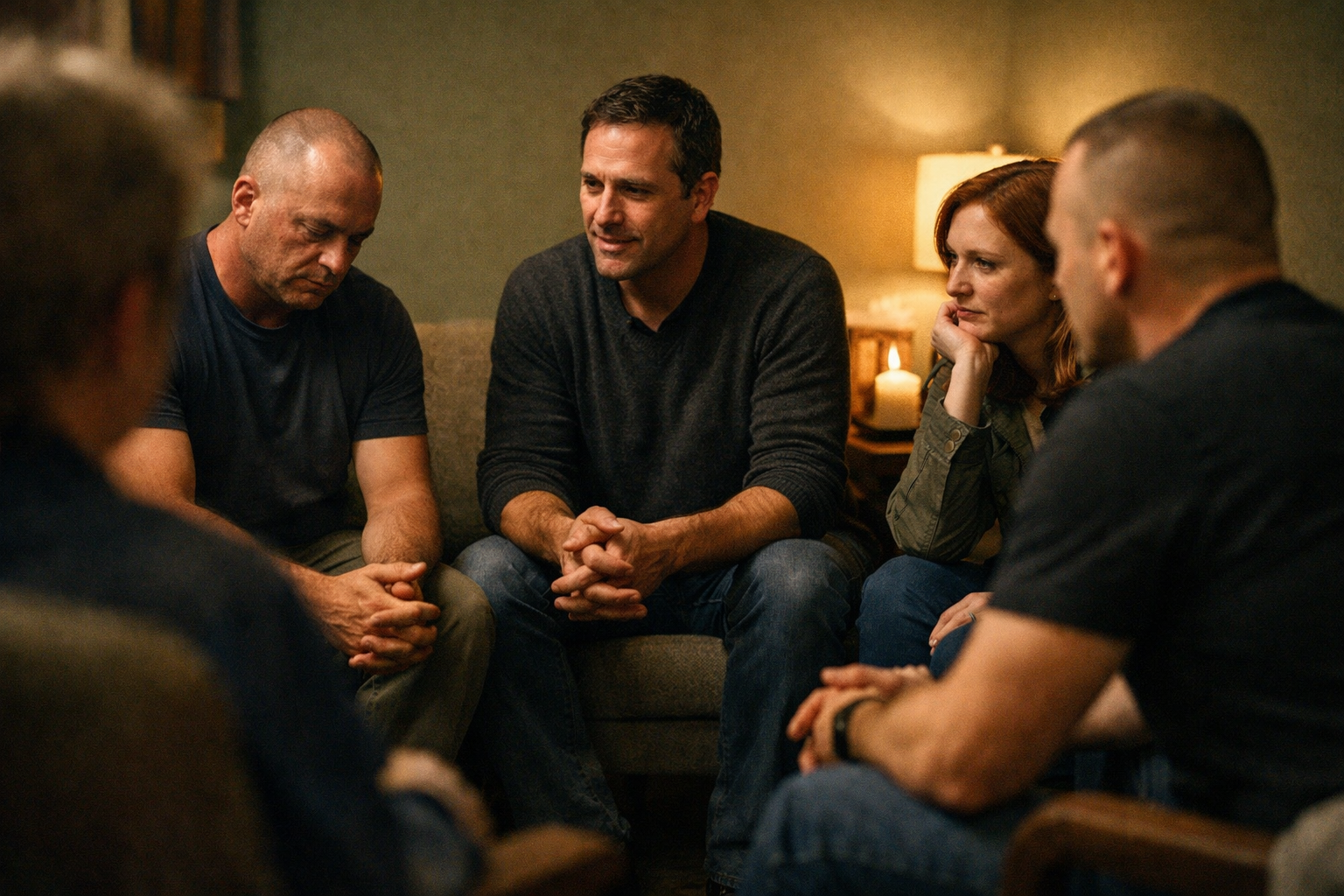
Focus: Deeper, evidence-informed understanding of trauma as it shows up in first responders, plus practical tools.
Core Modules:
• Trauma 2.0: PTSD, complex trauma, and occupational stress injury across disciplines
• Moral Injury & Organizational Betrayal: When policy, leadership, or the system conflicts with personal values
• Investigations & Secondary Trauma: Long-term exposure to SA, CAC, homicide, CSAM, and mass casualty incidents
• High-Risk Populations: Dispatchers, junior members, medically retired, and retirees
• Identity, Transition, and Retirement: Leaving the job, medical retirement, and loss of role
• Long-Term Impact of Trauma: Chronic pain, health conditions, and aging with a first responder history
• Integration with Clinical Care: How peer support and leadership collaborate with clinicians on complex cases
Deliverables:
• Custom resource map for culturally competent clinicians and programs
• Optional case consultation (de-identified) for leadership/peer teams
Investment: $8,000 per 40-hour package

Focus: Leaders as culture-shapers in high-trauma environments.
Core Modules:
• Trauma-Informed Leadership in Public Safety: Leading people who are routinely trauma-exposed
• The Supervisor’s Dilemma: Supporting personnel without breaking the mission
• The Leader’s Role in Mental Health: How supervisors shape help-seeking and culture
• Recognizing Personnel in Crisis: Behavioral, performance, and safety red flags
• Post-Critical Incident Leadership: Communications, modified duty, peer support, and follow-up after major events
• Navigating Fitness-for-Duty & Disclosures: Legal, ethical, and trust considerations; balancing welfare and readiness
• Reducing Organizational Stressors: Schedules, overtime, staffing, policies that drive burnout
• Communicating About Mental Health: What to say, what not to say, and how to respond when someone opens up
• Family Impact & Leadership Responsibility: Supporting families of personnel during crises, critical incidents, and IA/litigation
• Sustaining Wellness Initiatives: Avoiding “check-the-box” trainings; building programs with accountability and metrics
Deliverables:
• Leadership playbook for mental health and wellness
• Coaching sessions with command staff and/or union leaders
Investment: $8,000 per 40-hour package

Focus: Advanced forensic interview training covering child forensic interviews, sexual assault victim interviews, bias-aware interviewing, experiential interviewing, and combined-technique application.
This program is highly hands-on and scenario-based. Participants will engage in extensive role-play exercises, mock interviews, live scenario simulations, and peer-reviewed practice sessions throughout the entire 40 hours. Any refusal to participate in scenario exercises, role-plays, or practical applications will result in failure to pass the program. There are no exceptions. Full participation is mandatory for certification.
Core Curriculum:
Block 1: Child Forensic Interviews (8 Hours)
• ChildFirst Protocol and Forensic Interview Methodology
• Developmental Considerations: Age-appropriate language, cognitive capacity, and suggestibility
• Building Rapport with Child Victims and Witnesses
• Narrative Practice and Free Recall Techniques for Children
• Recognizing Indicators of Coaching, Contamination, and False Allegations
• Multi-Disciplinary Team (MDT) Coordination at Children’s Advocacy Centers (CACs)
• Scenario-Based Practice: Live child forensic interview simulations with peer and instructor feedback
Block 2: Sexual Assault Victim Interviews (8 Hours)
• Neurobiology of Sexual Assault Trauma: Memory fragmentation, tonic immobility, and delayed disclosure
• Trauma-Informed Interview Framework for Adult Sexual Assault Victims
• Forensic Experiential Trauma Interview (FETI) Application
• Interviewing Reluctant, Recanting, and Non-Disclosing Victims
• Cultural Competency in Sexual Assault Interviews: LGBTQ+, male victims, vulnerable populations
• Coordination with SART, SANE/SAFE Nurses, and Victim Advocates
• Scenario-Based Practice: Full sexual assault victim interview simulations
Block 3: Bias-Aware Interviewing (8 Hours)
• Understanding Cognitive Bias in Investigative Interviewing: Confirmation bias, anchoring, tunnel vision
• Implicit Bias and Its Impact on Victim Credibility Assessments
• Recognizing and Mitigating Interviewer Bias in Real Time
• Bias in Report Writing and Case Documentation
• Cross-Cultural Interviewing: Race, ethnicity, religion, gender identity, and socioeconomic factors
• Ethical Interviewing Standards and Avoiding False Confessions
• Scenario-Based Practice: Bias identification exercises and corrective interview techniques
Block 4: Experiential Interviewing (8 Hours)
• Forensic Experiential Trauma Interview (FETI): Full methodology and application
• Sensory-Based Questioning: Eliciting experiential details (sights, sounds, smells, physical sensations)
• Understanding Trauma Responses During Interviews: Fight, flight, freeze, and fawn
• Moving Beyond “What Happened?” to “What Was That Like?”: Shifting interview paradigms
• Interviewer Wellness: Managing vicarious trauma during difficult interviews
• Scenario-Based Practice: Full experiential interviews with structured debriefs
Block 5: Combining Techniques — Integrated Interview Application (8 Hours)
• Combining FETI, Cognitive Interview, and Narrative-Based Techniques in a Single Interview
• Adapting Interview Strategy Based on Victim/Witness Type, Developmental Stage, and Trauma Presentation
• Complex Case Interviews: Cases involving multiple victims, conflicting accounts, and delayed reporting
• Interview Planning, Preparation, and Post-Interview Documentation
• Expert Testimony Preparation: Articulating interview methodology in court
• Capstone Scenario: Full integrated forensic interview simulation (instructor-evaluated, pass/fail)
• After-Action Review and Individual Feedback Sessions
Deliverables:
• Certificate of Completion in Forensic Interviewing (upon successful completion of all scenario requirements)
• Forensic Interview Reference Guide and Protocol Manual
• Scenario bank and practice scripts for continued agency training
• Interview planning templates and documentation forms
• Post-training consultation (3 months) for case-specific interview strategy support
Investment: $12,000 per 40-hour package (up to 15 participants)
Target Audience: Law enforcement instructors, SART coordinators, training officers, academy instructors
Program Description:
This certification program prepares instructors to train multi-disciplinary sexual assault response teams and deliver trauma-informed interview training. Ideal for agencies building or expanding SART programs. All instruction is delivered in-person.
Core Curriculum:
• SART Foundations: Multi-disciplinary team structure, roles, and coordination
• Trauma-Informed Response: Neurobiology of trauma and victim-centered approaches
• Teaching Forensic Interview Techniques: ChildFirst and trauma-informed interview methods
• SART Team Training Delivery: How to facilitate multi-agency SART trainings
• Vicarious Trauma & Responder Wellness: Teaching self-care for SART members
• Case Review & Quality Assurance: Training teams on effective case coordination
• Instructional Methods for Sensitive Content: Delivering trauma content safely and effectively
• Practice Teaching Sessions: Supervised delivery with instructor feedback
Certification Requirements:
• Complete 40 hours of in-person training
• Demonstrate competency in trauma-informed instruction
• Deliver practice SART training module with passing evaluation
• Submit SART training implementation plan
Deliverables:
• Instructor Certification in SART Training
• Complete SART training curriculum (slides, handouts, case studies)
• SART program development toolkit (MOUs, protocols, policies)
• Trauma-informed interview training materials
• Six months of consultation for certified SART instructors
Investment: $12,000 per cohort (up to 12 instructors)

Single trainings can be booked as 60–90 minute sessions, half-days (4 hours), or full-days (8 hours). All sessions are delivered in-person only. Topics can be mixed and matched across disciplines.
Core Mental Health & Wellness Topics
• Cumulative Trauma and Burnout in First Responders
• PTSD, Depression, and Anxiety in Public Safety: What They Are and What They Aren’t
• Hypervigilance On and Off Duty: How to Turn It Down
• Sleep, Shift Work, and Recovery: Making Rest a Safety Issue
• Moral Injury and Betrayal in the Job
• Suicide Risk, Safety Planning, and How to Ask the Question
• Substance Use, Numbing, and “High-Functioning” Coping
• Grief, Line-of-Duty Death, and Survivor’s Guilt
• Returning to Work After a Critical Incident
• Identity Beyond the Badge, Patch, or Rig
Peer Support Training Modules (Individual Sessions)
Each module from the 40-hour Peer Support Core Team Training (Package 2) can be booked as a standalone session. These modules incorporate IAFF and IACP Peer Support Training standards and can be delivered as 60–90 minute sessions, half-day, or full-day formats. All sessions are in-person only.
• Peer Support Overview, Structure, and Key Considerations
• Normalizing Common Mental Health Challenges
• Stress and Trauma: Recognition and Early Intervention
• Peer Counseling Techniques: Active Listening and Reflective Response
• Moral Distress and Moral Injury in First Responders
• Suicide Prevention, Intervention, and Postvention
• Substance Misuse and Addictions: Conversations and Referrals
• Managing Anger, Frustration, and Conflict
• Family and Support System Considerations
• Supporting Peers Through Grief and Loss
• Supporting Military and Veteran Personnel
• Peer Supporter Self-Care and Wellness
• Liability, Ethics, and Documentation for Peer Teams
Advanced Peer Support and Leadership Modules
• Designing and Evaluating Peer Support Programs (Admin & Leadership)
• Peer Support Program Integration with County and Regional Resources
• Peer Counseling Skills Lab: Live practice, feedback, and advanced micro-skills
• Advanced Suicide Prevention & Postvention for Peer Teams
• Managing High-Risk Cases: When to Escalate and How
• Post-Critical Incident Peer Support: Structured Response Protocols
• Supporting Young Members and Early-Career Personnel
• Peer Team Supervision and Quality Assurance
Skills-Focused Labs
• Difficult Conversations for Supervisors and Peers (scripted, role-play heavy)
• Crisis Communication & De-Escalation Inside the Agency
• Practical Regulation Tools: Grounding, breathing, and reset drills for on and off duty
• Navigating Social Media, Public Scrutiny, and Viral Incidents
• Micro-Trainings for Roll Call/Shift Change (15–20 minute modules)
Specialized Investigations and Response
• Trauma-Informed Victim & Witness Interviewing (SA, CAC, homicide focus)
• Ethical, Evidence-Based Interrogation: Minimizing Moral Injury and False Confessions
• Interviewing While Trauma-Aware: How Investigator Wellness Impacts the Box
• SART 101: Building an Effective Sexual Assault Response Team
• SART 201: Advanced Sexual Assault Response for Team Members
• Critical Incident Stress and Investigative Teams (OIS, in-custody death, major crimes)
• Child Forensic Interview Fundamentals (standalone session)
• Bias-Aware Interviewing for Investigators
• Experiential Interviewing Techniques (FETI overview)
• Polygraph Awareness for Investigators and Leadership
Forensic Interviewing Modules (Individual Sessions)
Each block from the 40-hour Forensic Interviewing program (Package 6) can be booked as a standalone full-day session. All sessions are hands-on, scenario-based, and delivered in-person only.
• Child Forensic Interviews: ChildFirst Protocol, developmental considerations, and practice simulations
• Sexual Assault Victim Interviews: Trauma-informed frameworks, FETI application, and victim engagement
• Bias-Aware Interviewing: Cognitive bias recognition, implicit bias mitigation, and ethical standards
• Experiential Interviewing: FETI methodology, sensory-based questioning, and trauma response management
• Combined Techniques Interview Application: Integrated forensic interview simulations and capstone exercises
À La Carte Pricing
Session Length Investment
60–90 minute session $500
Half-day (4 hours) $1,500
Full-day (8 hours) $2,500
Multi-day series (2–3 days) $2,200 per day
All à la carte sessions are delivered in-person only. Travel expenses (airfare, lodging, ground transportation, meals) billed separately at cost.

Instructor: Melanie Brower, MS-CMHC | Dylan Bates, MS-THSP, MS-CMHC
Melanie and Dylan specialize in helping first responder families understand the psychological and relational impact of public safety work, providing education and support for spouses, partners, and family members.
• Understanding the First Responder Brain: Why they come home wired, tired, and shut down
• Communication When Your Partner Won’t Talk: Strategies for connection despite withdrawal
• Kids and the Job: How to talk about danger, trauma, and news events at different ages
• Shift Work, Holidays, and Missed Milestones: Protecting connection in a chaotic schedule
• Red Flags at Home: When to worry, how to intervene, and where to go for help
• Supporting a Partner Through Critical Incidents, IA, or Litigation
• Building Family-Centered Peer Support and Spouse/Partner Groups
• Intimacy and Connection: Navigating physical and emotional intimacy under stress
• The Impact of Hypervigilance on Family Life: Managing safety behaviors and control at home
• Secondary Trauma in Spouses and Partners: Recognizing and addressing vicarious trauma
• Couples Communication for First Responder Families: Practical tools for healthy relationships
• Supporting Children of First Responders: Age-appropriate conversations and emotional support
• When Your Partner is Struggling: How to encourage help-seeking without pushing them away
• Financial and Career Stress: Managing uncertainty, medical retirement, and transition together
Formats:
• Multi-week “Family Academy” (4–6 sessions, in-person)
• One-time workshops (in-person only)
• Conference keynotes + breakouts
• Couples workshops and relationship-building sessions
Format Investment
Single 90-minute workshop $500
Half-day family workshop $1,500
Multi-week academy (4–6 weeks) $3,500
Conference keynote (60–90 min) $1,000
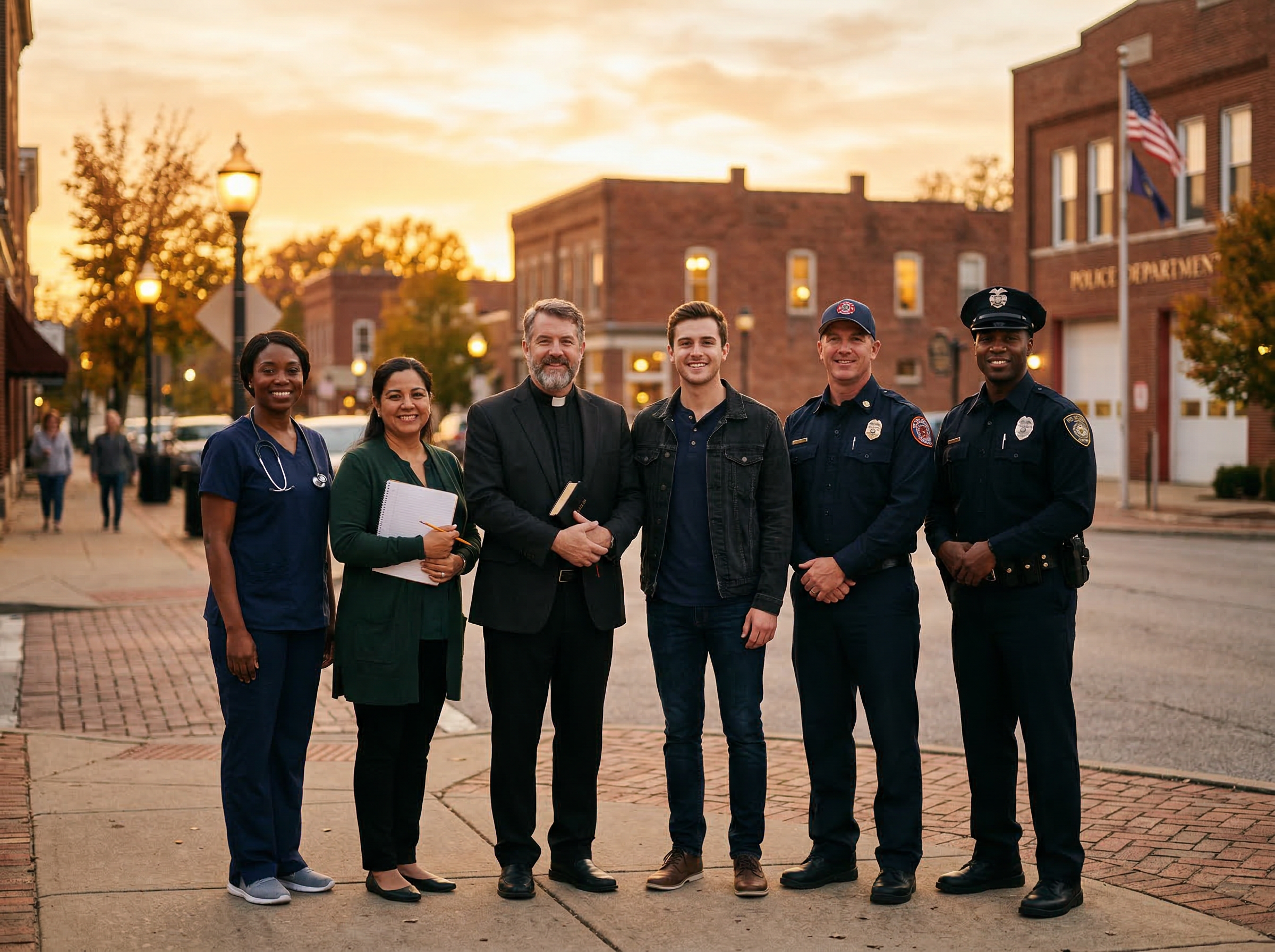
For community partners, faith leaders, medical providers, educators, and supporters.
• The Hidden Cost of the Call: What First Responders Carry
• Myths vs. Reality: Mental Health in Public Safety
• How to Support First Responders After Critical Incidents
• Working with First Responders in Healthcare and Counseling Settings
• Media & Social Media: Public scrutiny and its mental health impact
• Community-Supported Wellness: How churches, nonprofits, and civic groups can help
Pricing: Same as À La Carte rates (60–90 min / half-day / full-day)
Contact us
Interested in working together? Fill out some info and we will be in touch shortly. We can’t wait to hear from you!